
Foot Conditions
Bunion Assessment & Treatment in Whitby
A bunion can make shoes uncomfortable, irritate the joint at the base of your big toe and change the way you walk. At Brooklin Foot & Orthotic Clinic, our chiropodists assess the bunion, your foot mechanics and the pressure on the joint, then recommend practical ways to reduce discomfort and protect your mobility.
Quick answer: A bunion is a structural change at the joint where the big toe meets the foot. The big toe angles toward the other toes while the joint becomes more prominent. Conservative treatment can reduce pressure and pain, but it does not remove or permanently straighten the bunion. Surgery is the only way to correct the bony alignment, and it is generally considered when symptoms significantly limit daily life.
Read "Is My Bunion Getting Worse? 7 Signs to Watch" for more information
To schedule an appointment or for more information regarding our foot care services, please call us at 905-425-3338 or fill out the below form, and we will get back to you ASAP.
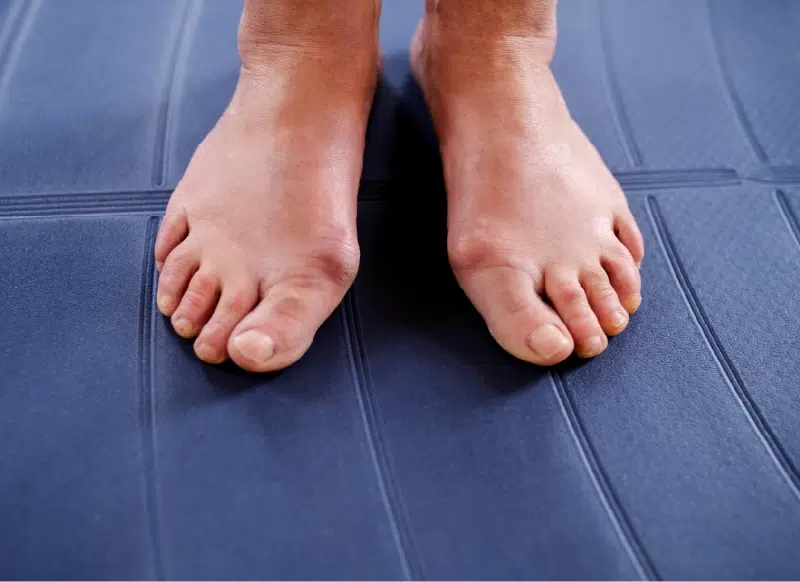
What does a bunion feel and look like?
- A visible bump at the base of the big toe
- Pain or tenderness around the big-toe joint
- Redness, swelling or irritation from shoe pressure
- Reduced movement or stiffness in the big toe
- Corns or calluses where toes rub together
- The big toe drifting toward or under the second toe
- Difficulty finding comfortable shoes or walking for longer periods
A prominent big-toe joint is not always painful.
Treatment is based on your symptoms, function and goals—not simply the appearance of your foot.
What causes bunions?
Bunions usually develop because of a combination of inherited foot structure, joint mechanics and the stresses placed on the foot over time. Factors that may contribute include:
- Family history or inherited foot shape
- Foot mechanics that place repeated stress on the big-toe joint
- Inflammatory joint disease, including rheumatoid arthritis
- Neuromuscular conditions or congenital foot differences
- Previous injury to the foot or big-toe joint
Tight, narrow or high-heeled footwear may aggravate a bunion and increase pressure on the joint. Footwear alone is not considered the cause in every case.
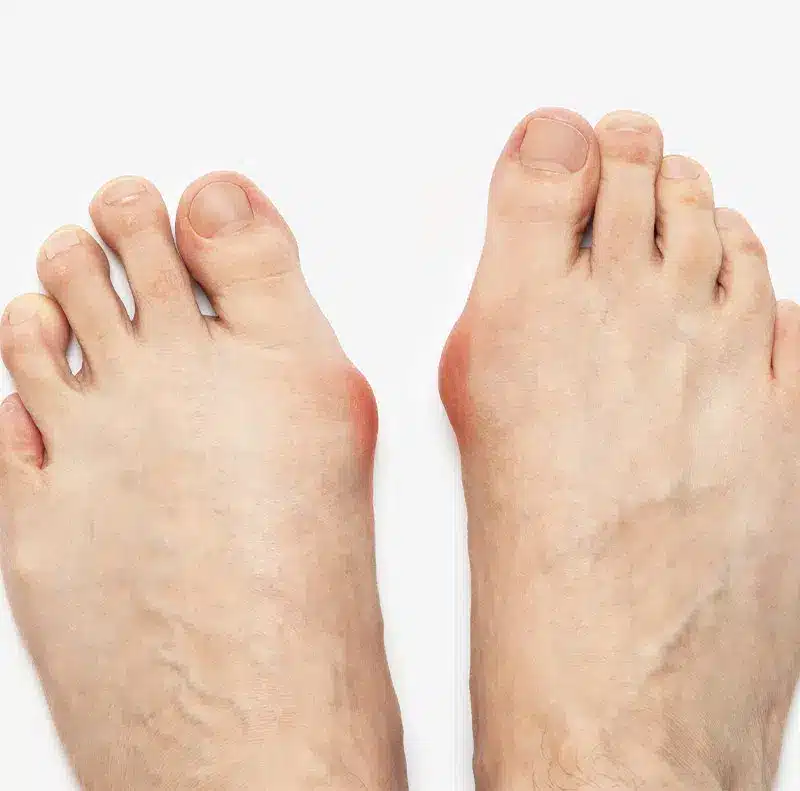
How a chiropodist assesses a bunion
Your chiropodist will ask when the pain occurs, which shoes or activities make it worse and whether the bunion is limiting your daily routine. The assessment may include the position and movement of the big-toe joint, skin irritation, calluses, foot alignment, muscle balance and walking pattern.
If the findings suggest significant joint damage or surgery may need to be considered, your chiropodist can recommend the appropriate next step for medical imaging or an orthopaedic consultation.
Non-surgical bunion relief options
The goal of conservative care is to reduce pressure, improve shoe comfort and help you remain active. Depending on the assessment, recommendations may include:
Shoes with adequate width, depth and a toe box that follows the shape of your foot
Non-medicated padding or toe supports to reduce rubbing and pressure
Custom orthotics when foot mechanics or pressure distribution may be contributing to symptoms
Treatment of related corns or calluses
Foot Mobilisation Therapy when clinically appropriate
A wrapped cold pack for short periods after activity if safe for your circulation and sensation
Referral for a surgical opinion when pain is persistent or daily function is significantly limited
Set the right expectation: Orthotics, footwear changes, padding and toe supports may improve comfort, but they do not make the underlying bony prominence disappear. Clear expectations help patients choose care based on pain and function rather than promises of a cosmetic correction.
What you can do before your appointment
Choose roomy shoes that do not press on the bunion.
Avoid footwear that causes numbness, rubbing or increased pain.
Do not force the big toe into a straighter position with aggressive taping or devices.
Bring one or two pairs of frequently worn shoes so the chiropodist can assess fit and wear patterns.
Note which activities trigger pain and how long the discomfort lasts.
When should you seek bunion treatment?
Consider an assessment when bunion pain keeps returning, shoes have become difficult to wear, the big toe is crowding the other toes, or your walking and activity are being affected. Seek earlier care if there is broken skin, drainage, sudden marked redness or swelling, or if you have diabetes, reduced circulation or reduced sensation.
Frequently asked questions about bunions
Can a bunion go away without surgery?
No. A bunion is a structural change in the joint and does not usually disappear on its own. Conservative treatment can often reduce pressure and discomfort. Surgery is the only way to correct the bony alignment.
Can orthotics stop a bunion from getting worse?
Orthotics may improve pressure distribution or foot function for some people, but they cannot guarantee that a bunion will stop progressing. Their main role is usually symptom management and support.
Are tight shoes the cause of bunions?
Bunions often involve inherited structure and foot mechanics. Tight or narrow shoes can aggravate the joint and make symptoms worse, but footwear is not the only factor.
What type of shoe is best for a bunion?
Look for a wide, deep toe box, a stable sole and a secure fit at the heel or midfoot. The upper should not press directly on the bunion. A chiropodist can assess your foot and current shoes more specifically.
When is bunion surgery considered?
A surgical opinion may be appropriate when pain is frequent, walking or daily activities are limited, or conservative care has not provided enough relief. Surgery is usually recommended for symptoms and function—not appearance alone.
Do I need a referral for a bunion assessment?
No. You can contact Brooklin Foot & Orthotic Clinic directly. New patients are welcome.
Get a clearer plan for bunion pain
You do not have to wait until a bunion becomes severe to ask about relief. An assessment can identify the pressure points and footwear or mechanical factors that may be contributing to your discomfort. Brooklin Foot & Orthotic Clinic serves patients from Brooklin, Whitby, Ajax, Oshawa and across Durham Region.
Call 905-425-FEET (3338) or request an appointment online.
Request a Bunion Assessment
New patients are welcome. No referrals are required.
The Brooklin Foot & Orthotic Clinic team commonly treat the following:
Heel and Arch Pain, Achilles problems, ball-of-foot pain, arthritic feet, bunions, children’s feet, and knee and ankle pain.
Written or clinically reviewed by Adrian Wong, D. Ch. Last reviewed: Aug 6, 2026.

The Brooklin Foot Clinic offers the following Chiropody Services to the Durham region, including Ajax, Brock,
Clarington, Oshawa, Pickering, Scugog, Uxbridge and Whitby.
Our Location
16 Winchester Rd. E., Unit 3
Whitby, ON L1M 0K8
Ample parking • Wheelchair accessible
Serving Brooklin, Whitby, Ajax, Oshawa and the Durham Region
Operation Hours
Monday 9am - 7pm
Tuesday 9am - 7pm
Wednesday 9am - 7pm
Thursday 9am - 7pm
Friday 10am - 7pm
Saturday 9am - 5pm
CONNECT WITH US
