
Is My Bunion Getting Worse?
7 Signs to Watch
Is My Bunion Getting Worse? 7 Signs to Watch
How Can You Tell If a Bunion Is Getting Worse?
Is My Bunion Progressing or Simply Irritated?
What Does a Chiropodist Assess?
Can a Bunion Be Corrected Without Surgery?
Can Custom Orthotics Help With Bunion Pain?
Can Foot Mobilization Therapy Help?
When Is Bunion Surgery Considered?
How to recognize changes in a bunion—and when to see a chiropodist in Whitby
A bunion may begin as a small bump at the base of your big toe. At first, you might only notice it in certain shoes. Over time, however, the joint may become more prominent, your big toe may change position or activities that were once comfortable may begin to hurt.
Because bunions usually change gradually, it can be hard to tell whether yours is progressing or you're simply experiencing a temporary flare-up.
A bunion may be getting worse if the bump is becoming more prominent, pain or swelling is increasing, the big toe is moving farther toward the second toe, footwear is becoming uncomfortable, or the condition is changing how you walk. A chiropodist can assess the joint, your foot mechanics and areas of pressure to help you manage the symptoms.
Here are seven changes worth watching.
Bunion symptoms at a glance
Common signs that a bunion is becoming more problematic include:
- Increasing pain at the base of the big toe
- Redness or swelling over the joint
- The big toe leaning farther toward the smaller toes
- Corns or calluses caused by rubbing and pressure
- Stiffness in the big-toe joint
- Difficulty finding comfortable footwear
- Changes in the way you stand or walk
The appearance of a bunion does not always reflect symptom severity. A relatively small bunion can be painful, while a more visible bunion may cause little discomfort.
What is a bunion?
A bunion, medically known as hallux valgus, is a change in the alignment of the joint at the base of the big toe.
As the big toe moves toward the smaller toes, the joint at its base becomes more prominent along the inside of the foot. The visible bump is therefore not simply extra skin or an isolated bone growth. It reflects a change in the position of the bones and joint.
Some bunions remain relatively comfortable for years. Others cause increasing pain, inflammation, stiffness and difficulty with footwear or walking.
What causes bunions?
Bunions rarely have one simple cause. Factors that may contribute include:
- Inherited foot shape or structure
- The way the feet function while standing and walking
- Joint instability
- Arthritis or inflammatory joint disease
- A previous foot injury
- Footwear that repeatedly crowds or pressures the toes
Narrow or pointed shoes don't necessarily cause every bunion, but they can add pressure to an existing deformity and make symptoms worse.
If bunions run in your family, you may have inherited a foot shape or structure that makes them more likely to develop.
How can you tell if a bunion is getting worse?
1. The bump is becoming more prominent
An increase in the size or prominence of the joint is one of the most visible signs of change.
Because this usually happens gradually, it may be difficult to notice from day to day. Comparing your feet, or occasionally taking a photograph from the same angle, can make changes easier to recognize.
Keep in mind that size and pain don't always match. A smaller bunion can be quite uncomfortable, while a larger one may cause relatively few symptoms.
2. Your big toe is moving closer to the second toe
As the alignment changes, the big toe may begin leaning farther toward the smaller toes.
It may eventually press against, move underneath or overlap the second toe. This can create additional friction and pressure between the toes.
Changes in the big toe's position can also affect the smaller toes. They may begin to crowd, curl or change position as space becomes more limited.
3. Pain, redness or swelling is becoming more frequent
Bunion discomfort may initially occur only after a long day, increased activity or wearing a particular pair of shoes.
As the condition becomes more symptomatic, pain may begin sooner, last longer or occur during ordinary daily activities.
You may notice:
- Aching at the base of the big toe
- Tenderness when the joint is touched
- Redness or inflammation over the bump
- Pain while standing or walking
- Discomfort beneath the ball of the foot
- Stiffness in the big-toe joint
An increase in symptoms does not always mean that the bunion has visibly changed. Footwear pressure, increased activity and changes in how your weight moves across the foot can also cause a temporary flare-up.
Persistent or recurring symptoms are still worth assessing.
4. Shoes that used to fit are becoming uncomfortable
A bunion can widen the forefoot, making previously comfortable shoes feel tight.
You may notice:
- Pressure directly over the bunion
- Rubbing or redness along the side of the joint
- Crowding around the toes
- Numbness or irritation in certain shoes
- Blisters, corns or calluses caused by friction
Continually buying longer shoes may not solve the problem if the shape still doesn't match your foot. A wider, deeper toe box is usually more helpful than extra length alone.
Your footwear should accommodate your foot without pressing the big toe inward or rubbing against the prominent joint.
5. The big-toe joint is becoming stiff
Your big toe helps your body move forward when you walk. If the joint becomes painful or restricted, pushing off through the front of the foot may become more difficult.
You may start:
- Taking shorter steps
- Turning your foot outward
- Moving weight toward the outside of the foot
- Avoiding pressure through the big toe
- Walking more slowly or cautiously
These adaptations may reduce discomfort temporarily, but they can place additional pressure on other areas of the foot.
A chiropodist can examine joint movement and determine whether pain, stiffness, foot mechanics, or another condition is affecting how you walk.
6. Corns or calluses keep returning
Changes in toe position and pressure can cause thickened skin to develop:
- Over the bunion
- Between the first and second toes
- On smaller toes that rub against footwear
- Beneath the ball of the foot
A corn or callus can indicate where repeated pressure is occurring. Removing the thickened skin without addressing the source of that pressure may provide only temporary relief.
Brooklin Foot & Orthotic Clinic provides professional corn and callus treatment in Whitby and can assess whether a bunion, footwear or another foot concern is contributing to the problem.
If you have diabetes, reduced sensation or circulation concerns, do not use medicated corn-removal products without professional advice. These products can damage the healthy skin surrounding the area.
7. The bunion is affecting your normal activities
One of the clearest signs that a bunion deserves attention is when it begins influencing your choices.
You may find yourself:
- Avoiding longer walks
- Changing your exercise routine
- Declining activities involving prolonged standing
- Limiting yourself to one or two pairs of shoes
- Experiencing foot pain during work
- Walking differently to protect the joint
- Planning your day around your foot discomfort
You do not need to wait until the pain becomes severe. If the bunion is beginning to restrict your mobility or enjoyment of everyday activities, an assessment can help you understand your options.
Is my bunion progressing or simply irritated?
A painful week doesn't necessarily mean the underlying deformity has suddenly worsened.
Symptoms can flare after:
- Wearing tight or unfamiliar shoes
- Spending more time standing
- Increasing your walking or exercise
- Developing a blister, corn or callus
- Irritating the joint
- Changing activities or footwear
Progression is more likely when you notice a lasting change in the position of the toe, the prominence of the joint, joint movement or the fit of your footwear.
A chiropodist can compare these findings with your symptoms and determine whether the bunion itself is changing or whether surrounding pressure and irritation are causing the recent discomfort.
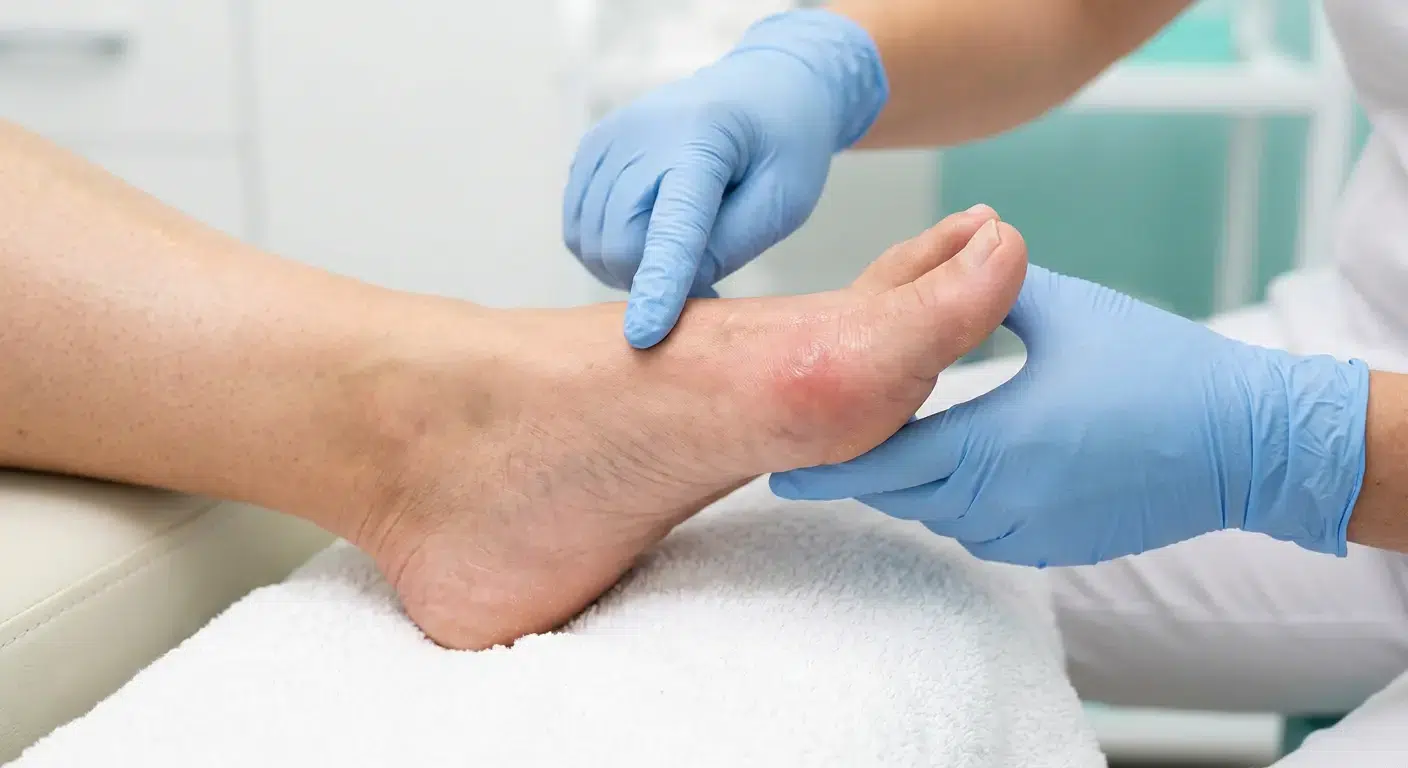
What does a chiropodist assess?
A bunion assessment may include:
- The position of the big toe and joint
- The movement available at the big-toe joint
- The location and severity of your pain
- Foot structure and alignment
- How your feet function while standing and walking
- Areas of excessive pressure
- Corns, calluses or skin irritation
- Your usual footwear
- The effect of the bunion on your mobility and daily activities
This assessment helps determine whether your symptoms may benefit from footwear changes, pressure relief, foot care, orthotics, mobility treatment or another approach.
Chiropodists in Ontario assess and treat musculoskeletal conditions and inherited or acquired deformities affecting the feet. If your symptoms require imaging, a surgical opinion or care outside the scope of chiropody, an appropriate referral may be recommended.
Can a bunion be corrected without surgery?
Non-surgical care cannot remove a bunion or permanently return the joint to its original position. Surgery is the only way to correct the underlying bony alignment.
However, many people manage their symptoms without surgery.
Depending on your assessment, conservative care may include:
- Footwear with sufficient width and toe room
- Padding to reduce friction over the joint
- Toe spacers or supports when appropriate
- Professional treatment of related corns and calluses
- Activity modifications during painful flare-ups
- A wrapped cold pack for short-term symptom relief, when safe for your circulation and sensation
- Joint-mobility or exercise recommendations
- Custom orthotics when foot mechanics or pressure distribution are contributing to discomfort
- Foot Mobilization Therapy when clinically appropriate
The appropriate treatment depends on your symptoms, foot structure, joint movement and activity needs—not solely on how the bunion looks.
Learn more about bunion assessment and treatment in Whitby.
Can custom orthotics help with bunion pain?
Custom-made orthotics do not remove a bunion or permanently straighten the big toe.
When prescribed after a complete assessment, they may help redistribute pressure, support foot function, and reduce discomfort associated with how the foot moves.
Orthotics are not automatically necessary for everyone with a bunion. A chiropodist should first assess whether foot mechanics are contributing to your symptoms and whether orthotics are an appropriate part of your treatment plan.
Can Foot Mobilization Therapy help?
Foot Mobilisation Therapy is a hands-on treatment intended to improve movement in the joints of the feet and ankles.
When clinically appropriate, it may address stiffness, improve joint mobility, and help manage discomfort around a bunion. It does not make the underlying bony prominence disappear, and results depend on the structure and flexibility of the individual foot.
Your chiropodist can determine whether Foot Mobilization Therapy is suitable for your condition or whether another approach would be more appropriate.
When is bunion surgery considered?
A surgical consultation may be considered when bunion pain remains persistent, substantially affects daily life and has not responded adequately to conservative treatment.
Bunion surgery is intended to improve pain and function—not simply to make the foot look different.
Several procedures can correct a bunion. The appropriate approach depends on factors such as:
- The position of the bones
- The severity of the deformity
- The condition and movement of the joint
- The presence of arthritis
- Your general health and activity needs
Not everyone with a bunion requires surgery. An assessment can help you determine whether continued conservative care or a surgical opinion is appropriate.
When should you see a chiropodist about a bunion?
Consider booking a foot assessment when:
- The joint is regularly painful, red or swollen
- Pain keeps returning
- The bunion is making footwear difficult
- The big toe is pressing against or overlapping another toe
- Corns or calluses repeatedly develop
- The joint is becoming stiff
- You are changing the way you walk
- Foot pain is limiting work, exercise or everyday activities
- You are unsure whether the problem is actually a bunion
- You have diabetes, reduced sensation or circulation concerns
Seek prompt medical attention if your foot suddenly becomes hot, severely swollen, or very painful, particularly if you have diabetes, recently injured your foot, or feel generally unwell.
Frequently asked questions about bunions
Do bunions always get worse?
No. Bunions do not all progress at the same rate. Some change gradually over many years, while others remain relatively stable. Increasing pain, toe displacement, stiffness and difficulty with footwear may indicate that the bunion is becoming more problematic.
How can I tell if my bunion is getting worse?
Your bunion may be progressing if the bump is becoming more prominent, the big toe is moving farther toward the smaller toes, the joint is becoming stiffer or your shoes no longer fit comfortably. Increasing pain, swelling and changes in how you walk also deserve attention.
Can tight shoes cause bunions?
Bunions are often influenced by inherited foot structure and mechanics. Tight, narrow or pointed footwear can increase pressure on the big-toe joint, aggravate an existing bunion and make symptoms more noticeable.
Can a chiropodist treat a bunion?
Yes. A chiropodist can assess the bunion, joint movement, foot mechanics, gait, footwear and areas of excessive pressure. Treatment may help reduce pain, manage related corns or calluses and improve comfort and mobility. Referral for a surgical opinion may be recommended when appropriate.
Can custom orthotics help with bunion pain?
Custom orthotics may help when foot mechanics or pressure distribution are contributing to the symptoms. They can support foot function and redistribute pressure, but they do not remove the bunion or permanently straighten the toe.
Can toe spacers straighten a bunion?
A toe spacer may temporarily reduce rubbing or improve comfort for some people, but it does not permanently realign the bones or eliminate a bunion. A spacer may not be appropriate when the toes are rigid, crowded or have reduced sensation.
What shoes are best for bunions?
Look for shoes with a wide, deep toe box, a stable sole, and enough room to prevent pressure on the bunion. Avoid footwear that tapers sharply at the toes or causes rubbing, numbness or increased pain.
Is walking good or bad for bunions?
Walking does not automatically make a bunion worse. Staying active benefits overall health, but persistent pain during or after walking should be assessed. Appropriate footwear and treatment may help you remain active more comfortably.
Can a bunion be corrected without surgery?
Non-surgical treatment may relieve pain and reduce pressure, but it cannot permanently correct the underlying bony alignment. Surgery is the only way to structurally correct a bunion.
When does a bunion require surgery?
Surgery may be considered when pain remains significant despite appropriate conservative care or when the bunion substantially interferes with walking, footwear and daily activities. Surgery is generally not recommended for appearance alone.
When should I see a chiropodist about a bunion?
See a chiropodist when the bunion is painful, repeatedly inflamed, affecting your footwear, changing the position of your toes or limiting your activities. You can also arrange an assessment before symptoms become severe to better understand the condition and your treatment options.
Do I need a referral to see a chiropodist in Whitby?
No. You can contact Brooklin Foot & Orthotic Clinic directly. New patients are welcome, and you don't need a doctor’s referral. Individual insurance plans may have their own reimbursement requirements.
Take the next step toward healthier feet
You do not need to wait until a bunion prevents you from enjoying your normal activities.
An assessment can help you understand what is changing, what may be contributing to the discomfort and which treatment options are appropriate for your feet.
Brooklin Foot & Orthotic Clinic provides bunion assessments and foot care for patients from Brooklin, Whitby, Ajax, Oshawa and throughout Durham Region.
Call 905-425-FEET (3338) or request an appointment online.
Clinically reviewed by Janet Yu, D.Ch., Lead Chiropodist. Published September 2026.

New patients are welcome. No referrals are required.
The Brooklin Foot & Orthotic Clinic team commonly treat the following:
Heel and Arch Pain, Achilles problems, ball-of-foot pain, arthritic feet, bunions, children’s feet, and knee and ankle pain.

The Brooklin Foot Clinic offers the following Chiropody Services to the Durham region, including Ajax, Brock,
Clarington, Oshawa, Pickering, Scugog, Uxbridge and Whitby.
Our Location
16 Winchester Rd. E., Unit 3
Whitby, ON L1M 0K8
Ample parking • Wheelchair accessible
Serving Brooklin, Whitby, Ajax, Oshawa and the Durham Region
Operation Hours
Monday 9am - 7pm
Tuesday 9am - 7pm
Wednesday 9am - 7pm
Thursday 9am - 7pm
Friday 10am - 7pm
Saturday 9am - 5pm
CONNECT WITH US
