
Walking More This Summer?
Make Sure Your Feet Are Ready
Before you add more steps this summer, make sure your feet are ready without foot pain.
Walking More This Summer? Make Sure Your Feet Are Ready
Quick Answer: What Causes Foot Pain?
Walking Is One of the Best Things You Can Do for Your Health
Why Summer Foot Pain Is Different
Don't Assume Foot Pain Is Just Part of Getting Older
Five Signs of Foot Pain You Should Not Ignore
What Kind of Shoes Are Best for Walking?
Not Every Summer Shoe Is Built for Walking
When Orthopedic Footwear Makes Sense
Five Simple Ways to Help Prevent Summer Foot Pain
Keep Enjoying Everything Summer Has to Offer
Healthy Feet, Active Life
Summer has a way of inspiring us to move.
Maybe you have started taking an evening walk around the neighbourhood. You are spending more time in the garden. You are planning a vacation that will involve plenty of sightseeing. Perhaps you have dusted off your golf clubs, started walking the dog a little farther, or challenged yourself to reach 10,000 steps a day.
It is one of the best things you can do for your health.
But then something unexpected happens.
Your heel starts hurting. Your arches ache after a walk. Your feet feel tired long before the rest of you does.
Maybe you have even started taking shorter walks - not because you are out of shape, but because your feet are telling you they have had enough.
If that sounds familiar, you are certainly not alone.
Every summer, we see patients who become more active as the weather improves, only to discover that their feet were not quite ready for the sudden increase in activity.
The good news is that, in many cases, the problem is not that you should stop walking. It is that your feet need the right support to keep doing what you enjoy.
Quick Answer: Why Do Feet Hurt When You Start Walking More?
Foot pain often develops when activity increases faster than your feet can adapt. Longer walks, extended periods of standing, worn-out footwear, poor foot mechanics, or underlying conditions such as plantar fasciitis or arthritis can all contribute to discomfort.
Most walking-related foot pain responds well to early attention. Supportive footwear, custom orthotics when appropriate, stretching, and a professional foot assessment can often help prevent a small problem from becoming a larger one.
Walking Is One of the Best Things You Can Do for Your Health
Doctors recommend walking for good reason. Regular walking can help:
- Improve heart health
- Lower blood pressure
- Help manage blood sugar
- Strengthen muscles and joints
- Improve balance and mobility
- Reduce stress
- Support healthy aging.
It is one of the safest and most effective forms of exercise available. But every step sends force through your feet - thousands of times over the course of a walk.
Your feet absorb those forces before they travel through your ankles, knees, hips, and lower back. When your feet are functioning well, you rarely notice. When they are not, every extra step can become a reminder.
Why Summer Is Different
Most people do not gradually increase their activity. They simply become more active because the weather is nicer.
One week you are taking short walks around the neighbourhood. The next you are spending an afternoon gardening, walking around the zoo with the grandchildren, touring a new city on vacation, or playing eighteen holes of golf.
Your enthusiasm changes overnight. Your feet do not. They still need time to adapt to the increased demand.
That is why heel pain, sore arches, and tired feet often appear during the first few weeks of increased summer activity. It is not because walking is bad for you. It is because your feet are being asked to do much more than they were doing a month ago.
Don't Assume It Is Just Part of Getting Older
One of the most common things we hear is, "I guess it is just my age."
Age may play a role, but persistent foot pain is not something you should simply accept. Many people continue walking, travelling, golfing, and enjoying active lifestyles well into their seventies and eighties.
Often, discomfort comes from issues that can be addressed, such as:
- Worn-out shoes
- Reduced support
- Changes in foot mechanics
- Arthritis
- Plantar fasciitis
- Pressure points
- Balance changes.
Addressing these issues early can often help you stay active longer. Pain is not always an inevitable part of getting older. Sometimes it is simply your feet asking for a little help.
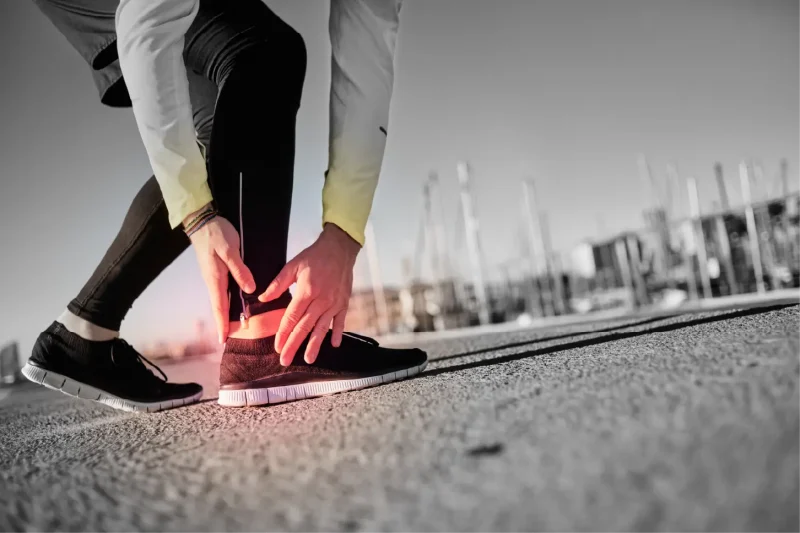
Five Signs Your Feet Are Not Ready for Your New Walking Routine
- Heel pain when you get out of bed
Pain with your first few steps in the morning is often associated with plantar fasciitis. - Your feet tire much sooner than they used to
If your legs feel fine but your feet are ready to quit, they may need better support. - Pain disappears after resting but returns with every walk
Recurring discomfort often signals an underlying issue rather than simple muscle fatigue. - You are changing how you walk
If you are limping, favouring one side, or shortening your stride, your body is trying to compensate for discomfort. - One foot hurts more than the other
Pain that consistently affects one foot deserves attention, particularly if it continues for several weeks.
Your feet usually give you warning signs before a small problem becomes a bigger one. Paying attention early can make treatment simpler and recovery faster.
Before You Lace Up
Before heading out for today's walk, ask yourself:
- Are my walking shoes still in good condition?
- Have I increased my walking distance too quickly?
- Have my feet been sore after recent walks?
- Am I stretching my calves and feet regularly?
- Does one foot consistently hurt more than the other?
- Am I ignoring discomfort because I hope it will go away?
If you answered yes to more than one of these questions, it may be time to give your feet a little more attention.
What Kind of Shoes Are Best for Walking?
One of the easiest ways to make walking more comfortable is to start with the right footwear. That does not necessarily mean buying the most expensive shoes. It means choosing shoes that match your feet and the activities you enjoy.
Whether you are walking around Brooklin, exploring a new city on vacation, golfing, gardening, or spending an afternoon at a local market, your shoes should help absorb impact rather than create it.
Look for walking shoes that offer:
- Good arch support
- Cushioning under the heel and forefoot
- A stable sole that does not twist easily
- A secure heel fit
- Enough room for your toes
- Breathable materials for warmer weather.
Just as important is knowing when it is time to replace them. Walking shoes gradually lose cushioning and support, even if they still look good on the outside. If your shoes are several years old, visibly worn, or no longer feel comfortable, replacing them may be one of the simplest ways to reduce foot discomfort.
Not Every Summer Shoe Is Built for Walking
It is tempting to spend the summer in flip-flops or flat sandals. They are convenient, cool, and easy to slip on, but they are usually not designed for long walks, sightseeing, shopping, or standing for hours.
That does not mean you need to avoid sandals altogether. Many supportive sandals provide much better cushioning, stability, and arch support than traditional flip-flops.
Choosing the right footwear does not mean sacrificing comfort or style. It means giving your feet the support they need to help you stay active.
When Orthopedic Footwear Makes Sense
Sometimes supportive retail shoes are not enough. If you have recurring foot pain, arthritis, diabetes, bunions, balance concerns, or changes in foot shape, orthopedic footwear may provide additional support and comfort.
Unlike standard footwear, orthopedic shoes are designed to accommodate a wider range of foot conditions while helping reduce pressure and improve stability. Many patients are pleasantly surprised by how comfortable and stylish today's orthopedic footwear has become.
A professional assessment can help determine whether orthopedic footwear is appropriate for your feet, lifestyle, and daily activities.
Could Custom Orthotics Help?
Sometimes the problem is not the shoe. It is how your foot moves inside the shoe.
Every foot is different. Some feet roll inward too much. Some do not absorb shock efficiently. Others place excessive pressure on one area with every step. Over time, those small differences can lead to discomfort in your feet and, in some cases, your knees, hips, or lower back.
Custom orthotics are designed specifically for your feet. Depending on your needs, they may help:
- Improve foot alignment
- Support your arches
- Reduce pressure on painful areas
- Improve walking comfort
- Reduce fatigue during longer walks.
If pain keeps returning despite supportive footwear, they are worth discussing during a foot assessment.
Five Simple Ways to Help Prevent Summer Foot Pain
- Increase your activity gradually
Your enthusiasm may be ready for five kilometres. Your feet may not be. Add distance slowly to give your muscles, tendons, and joints time to adapt.
- Replace worn-out footwear
If your walking shoes have lost cushioning or support, your feet absorb more impact with every step.
- Stretch your calves and feet
Tight calf muscles can place additional strain on the plantar fascia and Achilles tendon. A few minutes of gentle stretching before and after walking may help.
- Listen to recurring discomfort
Pain that keeps returning is not something to ignore. Your feet are usually telling you that something needs attention.
- Do not wait too long
Small problems are often easier to address before they begin to affect the way you walk or limit your activity.
Keep Enjoying Everything Summer Has to Offer
One of the best parts of living in Durham Region is having so many opportunities to stay active.
Whether you are enjoying neighbourhood walks in Brooklin, exploring the Whitby waterfront, spending an afternoon in Ajax, visiting Oshawa's parks and trails, golfing with friends, travelling, gardening, or simply keeping up with your grandchildren, healthy feet make those moments more enjoyable.
The goal is not simply to reduce foot pain. It is to help you keep doing the things you enjoy.
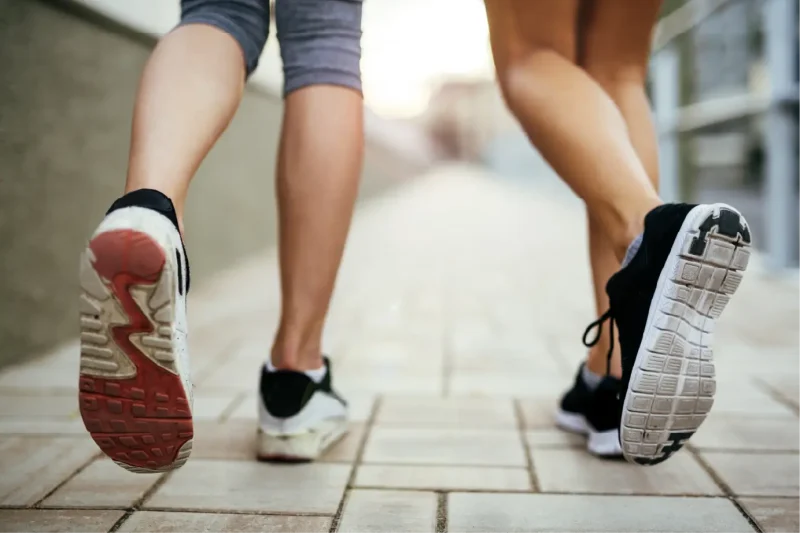
Keep Walking. Just More Comfortably.
Walking is one of the best investments you can make in your health. Your feet should not be the reason you stop.
If recurring heel pain, tired arches, sore feet, or discomfort is making you think twice about being active, now is a good time to have it assessed.
At Brooklin Foot & Orthotic Clinic, we help patients throughout Brooklin, Whitby, Ajax, Oshawa, and the surrounding Durham Region understand the causes of their foot pain and develop a personalized care plan.
Depending on your needs, that plan may include:
- A comprehensive foot assessment
- Supportive footwear recommendations
- Custom orthotics
- Orthopedic footwear
- Foot and lower-leg massage
- Preventive diabetic foot care
- Ongoing foot health guidance.
Not sure what service you need?
Start with a foot assessment, and we will help determine the right approach for you.
Frequently Asked Questions
Is it normal for my feet to hurt after I start walking more?
Some mild muscle soreness can occur when you increase activity. Persistent heel pain, arch pain, swelling, or discomfort that returns after every walk should be assessed.
Why do my heels hurt after walking?
Heel pain may be related to plantar fasciitis, overuse, worn footwear, tight calf muscles, or changes in foot mechanics.
Why do my arches hurt after walking?
Arch pain may result from inadequate support, muscle fatigue, plantar fasciitis, flat feet, high arches, or the way your feet distribute weight while walking.
Should I stop walking if my feet hurt?
Not necessarily. Reducing your distance, improving your footwear, and addressing the underlying cause may allow you to continue walking comfortably. Sharp, worsening, or persistent pain should be assessed.
How quickly should I increase my walking distance?
Increase your distance gradually and give your body time to adapt. A sudden jump in steps, hills, speed, or walking time can overload the feet and lower legs.
How often should I replace my walking shoes?
There is no single schedule that suits everyone. Replace them when the cushioning feels compressed, the soles are worn unevenly, the heel support has softened, or the shoes are no longer comfortable.
Can worn-out shoes cause foot pain?
Yes. As shoes lose cushioning, structure, and stability, more stress is transferred to your feet and lower limbs.
Can supportive footwear really make a difference?
Yes. Properly fitted, supportive footwear can help distribute pressure more evenly and reduce strain during walking and standing.
What should I look for in a good walking shoe?
Look for secure heel support, adequate toe room, cushioning, a stable sole, and enough support for your foot type. The best shoe is one that fits comfortably and suits the activity you plan to do.
Are orthopedic shoes only for seniors?
No. People of all ages may benefit from orthopedic footwear if they have diabetes, arthritis, structural foot concerns, recurring pain, balance issues, or difficulty finding properly fitting shoes.
Do I need custom orthotics?
A foot assessment can determine whether orthotics may improve your support, alignment, pressure distribution, and walking comfort.
Can custom orthotics help plantar fasciitis?
Yes, they can help by improving foot support and reducing strain on the plantar fascia. They are usually considered as part of a broader care plan.
Does foot and lower-leg massage help after walking?
Yes, massage may help reduce muscle tension, ease soreness, and support recovery after increased activity. It does not replace an assessment when pain is persistent or worsening.
Can walking barefoot make foot pain worse?
It can, especially on hard surfaces or when you have plantar fasciitis, arthritis, diabetes, reduced sensation, or an existing foot problem.
When should I book a foot assessment?
Book an assessment if pain lasts more than a couple of weeks, keeps returning with activity, affects the way you walk, causes swelling or numbness, or limits your daily activities.
About Brooklin Foot & Orthotic Clinic
Brooklin Foot & Orthotic Clinic helps patients throughout Brooklin, Whitby, Ajax, Oshawa, and the surrounding Durham Region stay active and comfortable on their feet. Services include foot assessments, custom orthotics, orthopedic footwear, diabetic foot care, foot and lower-leg massage, and personalized treatment plans designed to support long-term foot health.
Healthy Feet, Active Life
Every season brings new activities and new demands on your feet. Follow our ongoing series for practical advice to help you stay active, prevent foot problems, and enjoy every step.

New patients are welcome. No referrals are required.
The Brooklin Foot & Orthotic Clinic team commonly treat the following: Heel and Arch Pain, Achilles problems, ball-of-foot pain, arthritic feet, bunions, children’s feet, and knee and ankle pain.

The Brooklin Foot Clinic offers the following Chiropody Services to the Durham region, including Ajax, Brock,
Clarington, Oshawa, Pickering, Scugog, Uxbridge and Whitby.
Our Location
16 Winchester Rd. E., Unit 3
Whitby, ON L1M 0K8
Ample parking • Wheelchair accessible
Serving Brooklin, Whitby, Ajax, Oshawa and the Durham Region
Operation Hours
Monday 9am - 7pm
Tuesday 9am - 7pm
Wednesday 9am - 7pm
Thursday 9am - 7pm
Friday 10am - 7pm
Saturday 9am - 5pm
CONNECT WITH US

